

U8 Ether Gate
Produced by: LostMystic
Website: U8 Ether Gate @ EverGamer
Source Code: U8 Ether Gate @ GitHub

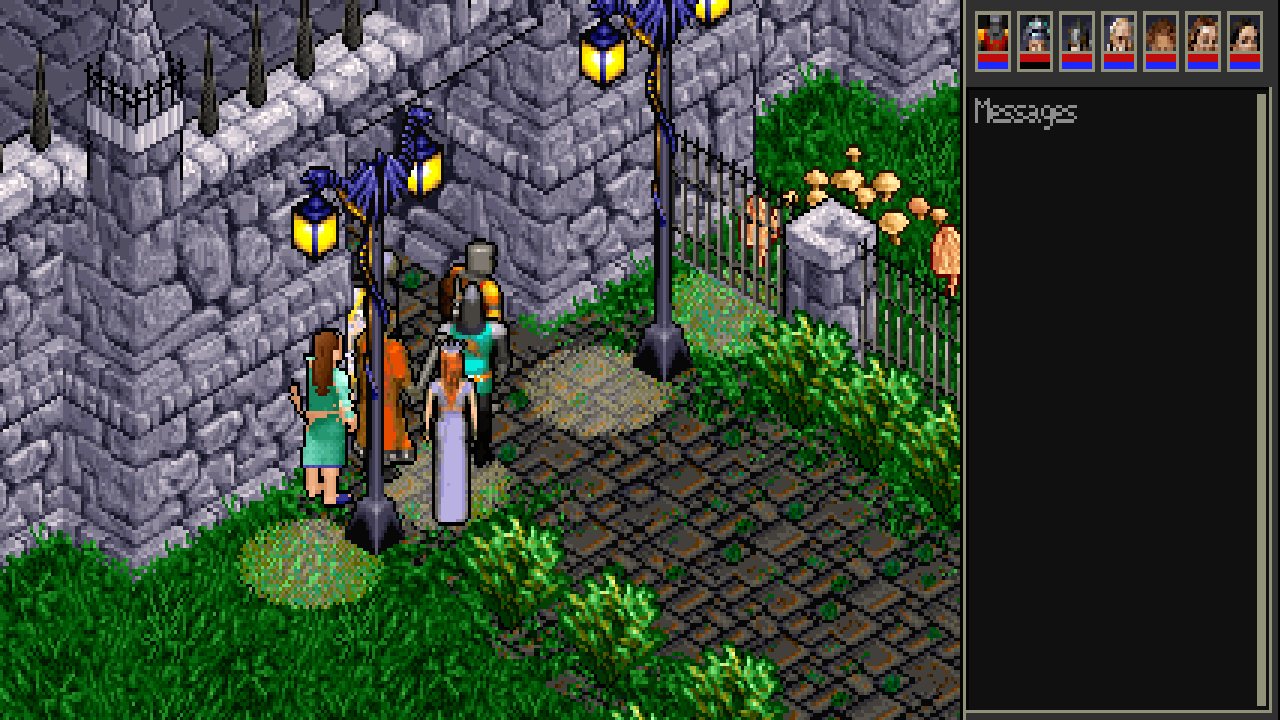
U8 Ether Gate is a new engine for Ultima 8: Pagan written by LostMystic, a game designer who worked at BioWare on Dragon Age: Origins and Dragon Age II. Written in C++, it runs the data files from the player’s own copy of the game natively on Linux, or in a web browser. Any release of the game will do, but only the English v2.10 release has been tested; additions written against that version’s exact data switch themselves off when the data doesn’t match.
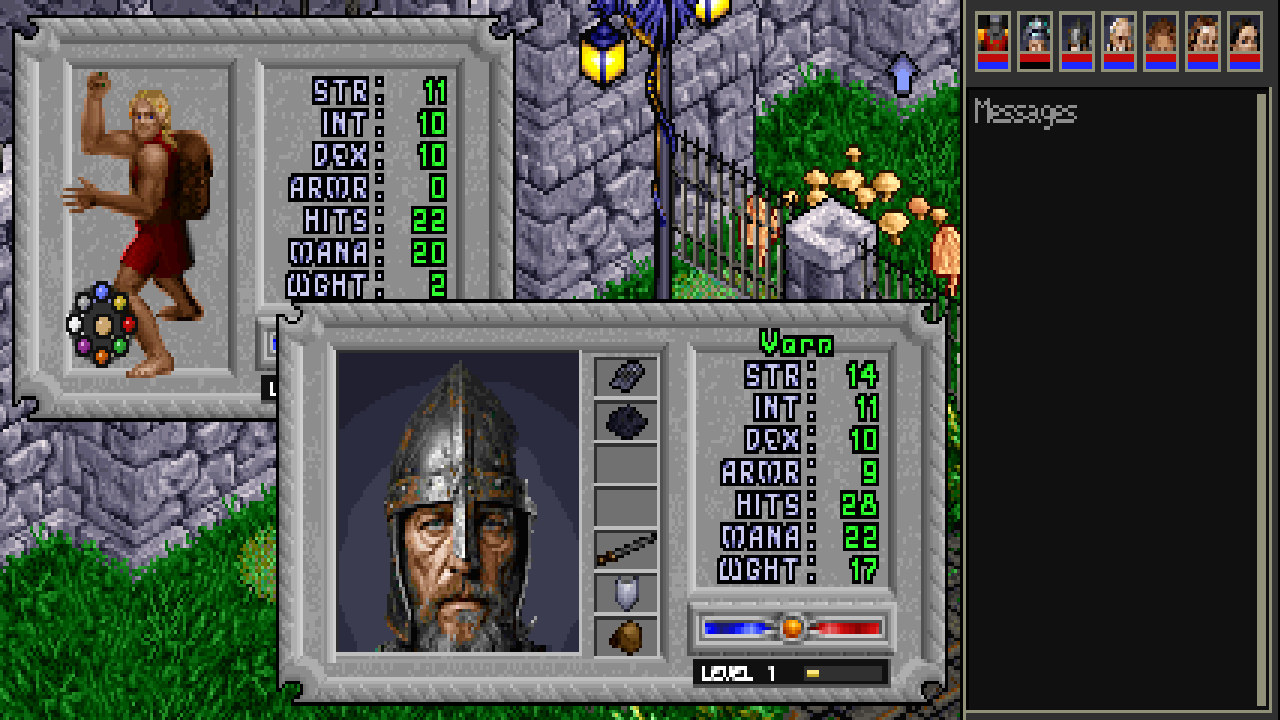
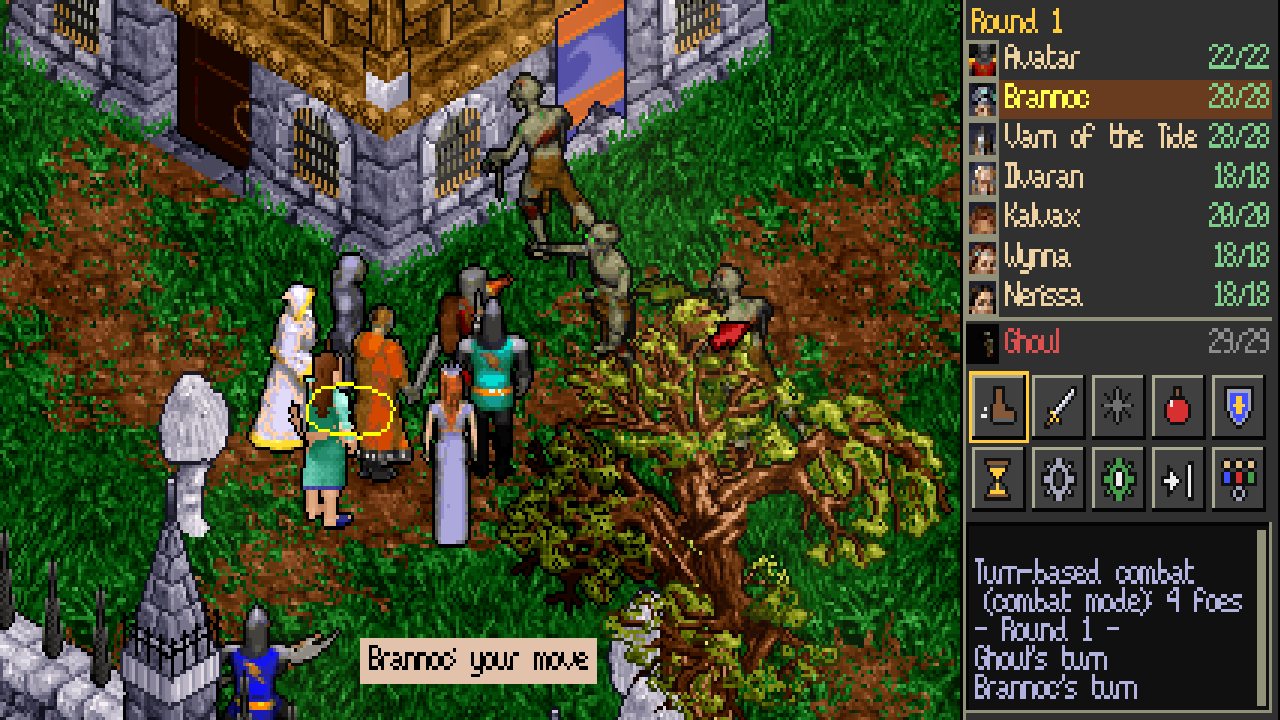
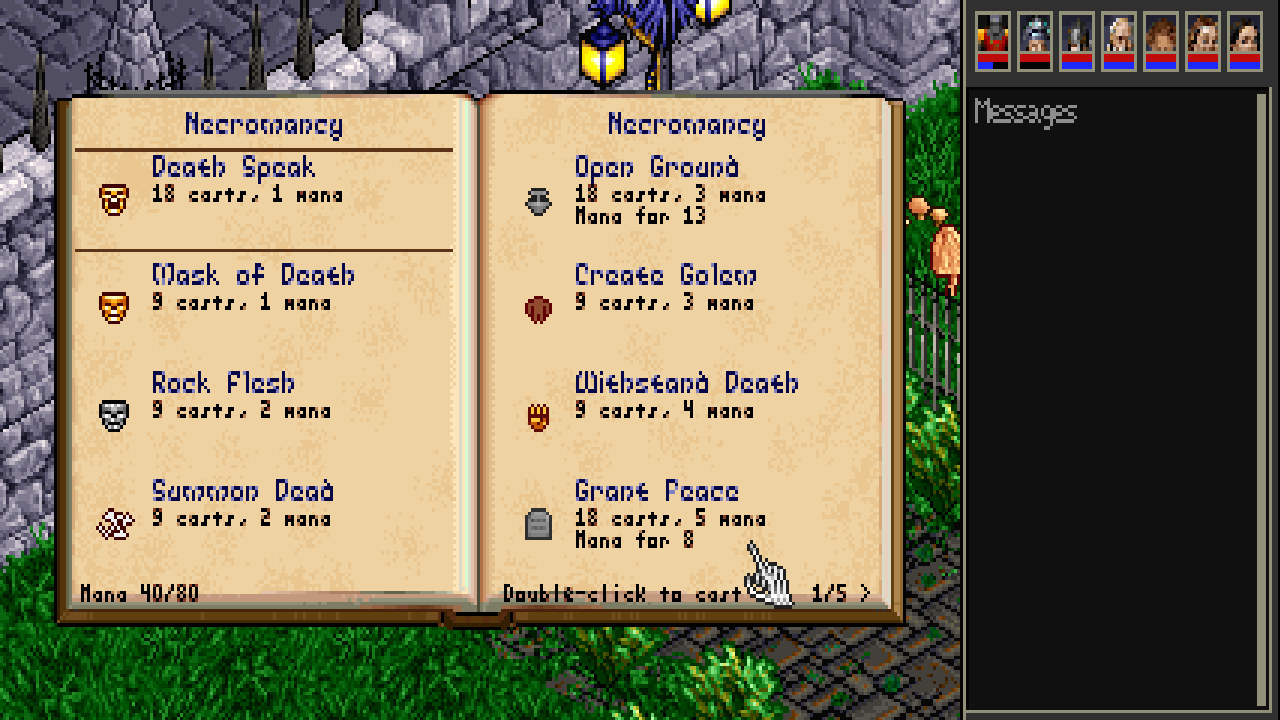
It adds a great deal to the original, and every addition can be switched off for the pure 1994 game. U8 Ether Gate adds eight new companions to the game, and allows for parties of up to six at a time. Each companion has a portrait, a home, a story and a character sheet, and they follow, fight, heal, cast and chat on the road. Combat can be turn-based in the style of Ultima 5, including a Flee command, or real time as in the original. The Eight Virtues are also present in the game, and the player can grow in each of them; Pagan changes as the players grows in Virtue, with warmer light, fewer monsters, a lighter tone, and townsfolk who will even start to greet the Avatar. There is a spellbook in the style of Ultima 7, real levels and experience, and new creatures. It also restores the cut undead invasion of Tenebrae, gives the Skull of Quakes its earthquake, and fixes dozens of the original’s bugs, dead ends and map holes. Other additions include the official v2.12 patch’s changes, new dialogue for original characters, smooth scrolling, zoom, controller support, easier ledge climbing, a side-panel HUD, a world atlas, a debug mode and a built-in world editor.
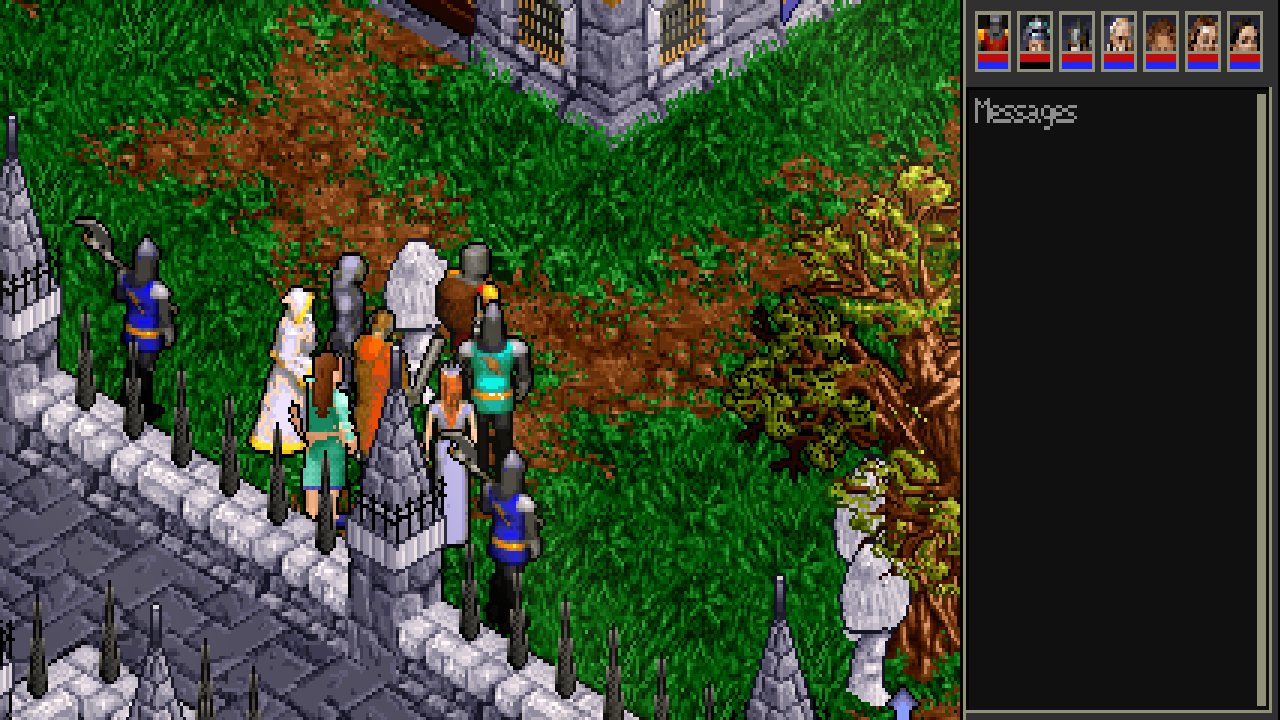
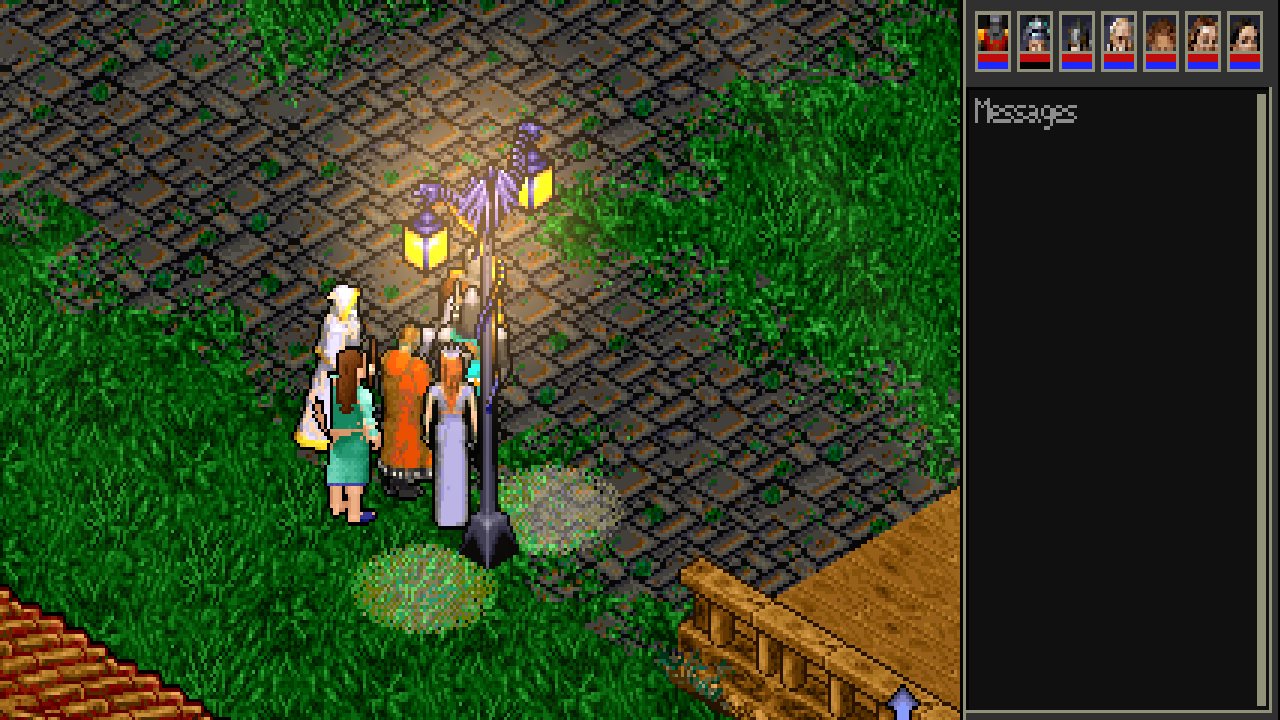
In its developer’s words, “I built this with AI coding help (Claude Code).” The README says the engine was written clean-room, “from plain-language descriptions of the file formats and behaviour and from experiments with the game’s data,” with those descriptions drawn from the ScummVM and Pentagram projects’ work on Ultima 8, and with no code from other engines.


